Earwax has a reputation for being something that needs to be removed, but in most cases, it is actually doing an important job.
Also known as cerumen, earwax helps protect the ear canal by trapping dust and debris, repelling water, and supporting the ear’s natural defence against irritation and infection. The ears are usually quite good at cleaning themselves: as we talk, chew, and move our jaw, older wax gradually works its way toward the outer ear, where it can dry and fall away naturally.
So, how should you clean your ears?
For most people, the answer is simple: clean only the outside of the ear. After bathing or showering, use a soft washcloth to gently wipe the outer ear. There is generally no need to put anything into the ear canal.
You may have heard the saying, “Never put anything smaller than your elbow in your ear.” While it is a lighthearted reminder, there is an important reason behind it. Cotton swabs, hairpins, tissues, and other objects can push wax deeper into the ear canal rather than removing it. This may cause wax to become impacted and can lead to symptoms such as:
-
A blocked or plugged sensation
-
Reduced or muffled hearing
-
Ear discomfort or pressure
-
Ringing or buzzing in the ear
-
Itching
-
Difficulty hearing with hearing aids
Some people naturally produce more earwax or have narrow or curved ear canals that make it harder for wax to move outward. Hearing aids and earbuds may also affect the ear’s natural wax-clearing process.
If you think you have a buildup of wax, avoid digging into the ear canal. Over-the-counter ear drops may help soften wax for some people, but they are not suitable for everyone. If you have ear pain, drainage, a history of a perforated eardrum, ear surgery, or are unsure about the cause of your symptoms, it is best to seek professional advice before using ear drops.
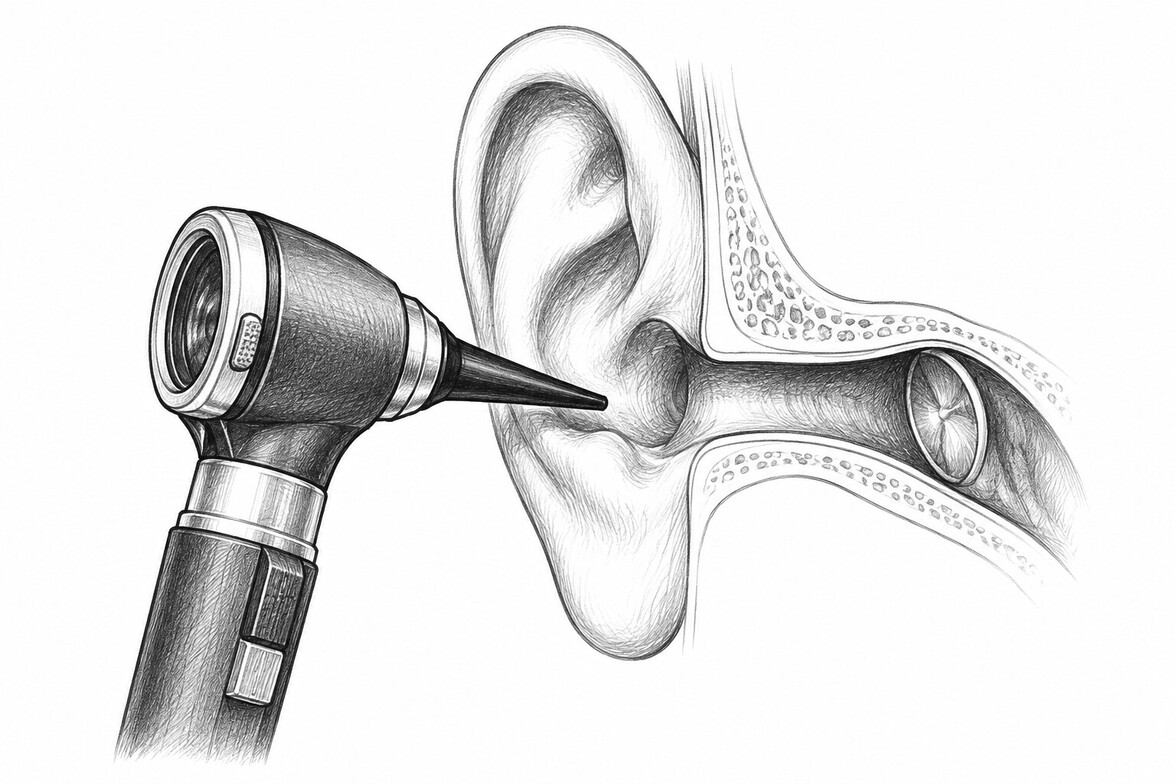
At Sound Audiology, earwax removal is performed using safe, appropriate methods following an assessment of the ear canal and eardrum. Removing excess wax may improve hearing, reduce discomfort, and allow for a clearer view of the ear.
If your ears feel blocked or your hearing seems suddenly more muffled, earwax may be part of the picture—but it is important not to assume. A professional assessment can help determine whether wax is present or whether another cause should be considered.
Your ears are designed to clean themselves. When they need a little help, gentle, professional care is often the safest approach.