"I can hear people talking—I just can't understand what they're saying."
If you've ever found yourself saying this, you're not alone.
Many people are surprised when they have a hearing test that shows "normal" hearing, yet they still struggle to follow conversations in noisy restaurants, family gatherings, or busy workplaces. This experience is becoming increasingly recognized as something called hidden hearing loss.
What Is Hidden Hearing Loss?
Traditional hearing tests measure how well you hear quiet sounds at different pitches. These tests are excellent for diagnosing many types of hearing loss, but they don't always tell the whole story.
Hearing is about much more than detecting sounds—it's about understanding them.
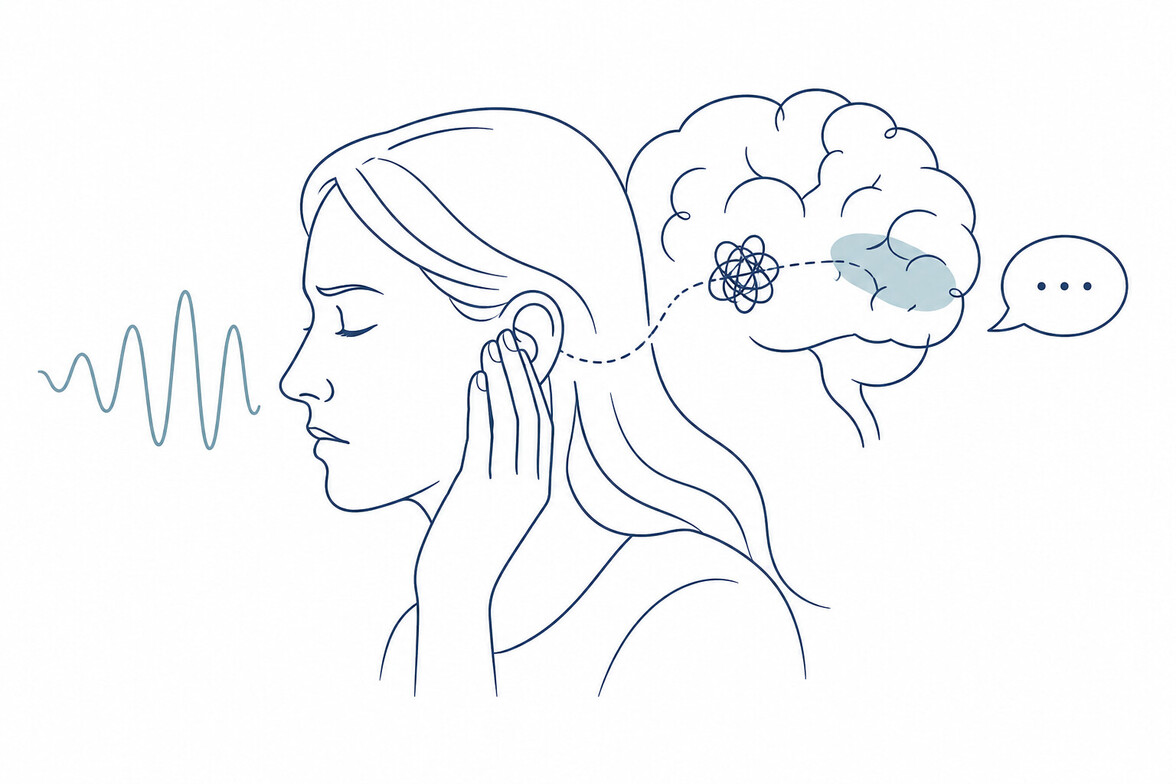
Hidden hearing loss refers to difficulties processing speech, particularly in noisy environments, even when a standard hearing test appears normal. Researchers believe this can happen when the connections between the inner ear and the hearing nerve have been damaged, even though the hearing cells themselves continue to function.
Signs You May Have Hidden Hearing Difficulties
You may notice that you:
-
Frequently ask people to repeat themselves
-
Have trouble understanding conversations in restaurants or crowded rooms
-
Feel exhausted after social gatherings because listening takes so much effort
-
Turn on subtitles when watching television
-
Hear that someone is speaking but can't make out the words
-
Feel like everyone around you is mumbling
These symptoms are real—even if your hearing test falls within the normal range.
Why Does This Happen?
Several factors may contribute, including:
-
Years of exposure to loud noise
-
Natural changes that occur with aging
-
Previous ear infections or injuries
-
Individual differences in how the brain processes sound
Our ears collect sound, but our brains do the remarkable work of making sense of it. When the communication between the ear and brain becomes less efficient, understanding speech can become much more challenging.
Why a Comprehensive Hearing Assessment Matters
If you're struggling to hear in everyday situations, a basic hearing screening may not provide all the answers.
A comprehensive audiological assessment looks beyond whether you can hear soft sounds. It may include:
-
Speech understanding in quiet
-
Speech understanding in background noise
-
Discussion of your listening environments
-
Review of your hearing and medical history
-
Recommendations tailored to your specific concerns
Sometimes the issue is hearing loss that hasn't been identified. Other times, additional strategies or technologies can significantly improve communication.
What Can Help?
The good news is that there are many ways to improve communication, even if your hearing thresholds are normal.
Depending on your situation, recommendations may include:
-
Communication strategies for challenging listening situations
-
Hearing technology designed to improve speech understanding
-
Assistive listening devices
-
Protecting your hearing from future noise exposure
-
Regular monitoring of your hearing over time
Every person's listening needs are different, which is why individualized care is so important.
Don't Ignore the Signs
Many people wait years before seeking help because they assume they're "too young" for hearing problems or believe a normal hearing screening means nothing is wrong.
If listening feels harder than it used to, it's worth investigating.
At Sound Audiology, we take the time to understand not just how well you hear, but how well you communicate in your everyday life. Whether you're concerned about hearing loss, struggling in noisy environments, or simply want peace of mind, a comprehensive hearing assessment can help identify what's happening and provide practical solutions.
Your hearing is about more than your ears—it's about staying connected to the people and moments that matter most.