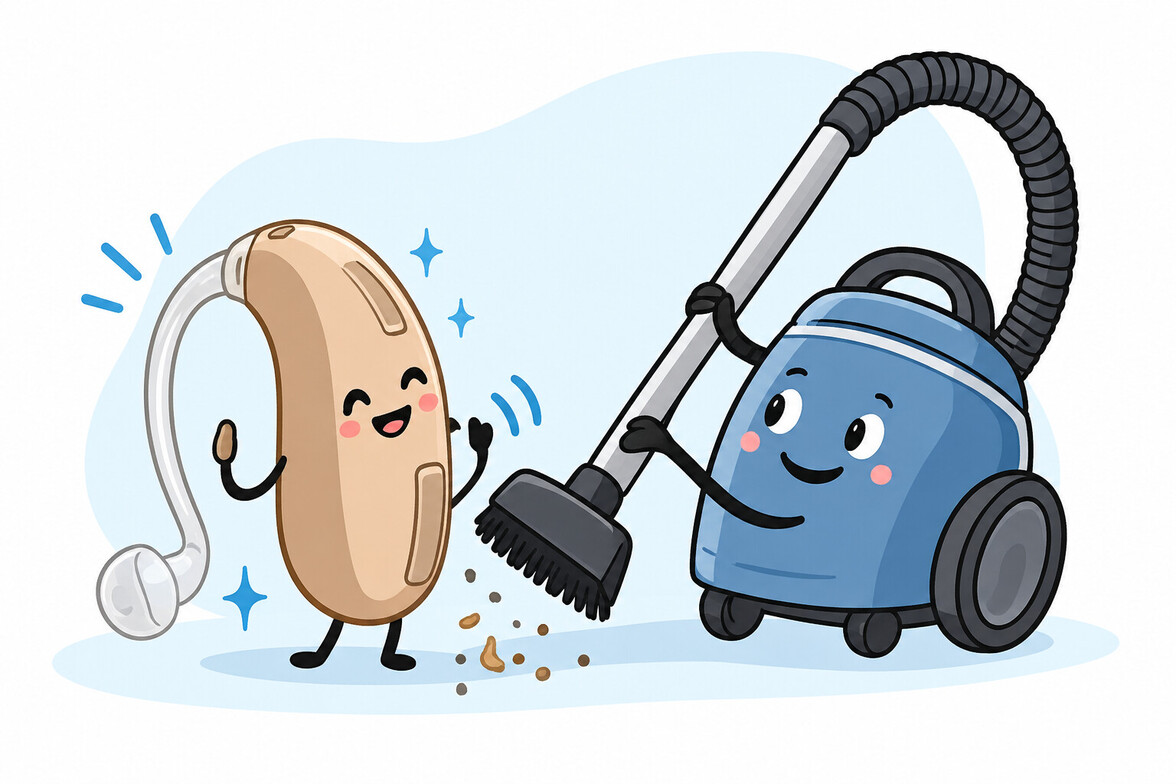
Hearing aids are designed to be worn every day, but like any device, they need regular care. Cleaning your hearing aids regularly can help keep them working properly and may extend their lifespan.
The good news? Hearing-aid cleaning doesn't have to be complicated.
Why do hearing aids need cleaning?
Hearing aids are exposed to earwax, moisture, skin oils, dust and debris every day. Over time, wax and debris can build up around the speaker, microphone openings or other parts of the device.
A blocked wax filter or microphone opening can affect sound quality and may make your hearing aids seem quieter or less clear.
How to clean your hearing aids
The exact cleaning routine depends on the type of hearing aids you wear, but these general steps are a good place to start.
1. Wipe your hearing aids daily
Use a clean, dry, soft cloth to gently wipe the outside of your hearing aids. This removes moisture, oils and debris from the surface.
2. Check for earwax
Look at the part of the hearing aid that sits in or near your ear. If you see wax buildup, gently remove it using the cleaning tools provided with your hearing aids.
3. Clean the earmould or dome
If your hearing aids use removable domes or earmoulds, these may need additional cleaning. Follow the cleaning instructions provided for your particular device.
4. Change the wax filter when needed
Many hearing aids use a small wax filter to protect the speaker from earwax. If the filter becomes blocked, sound may become weak or distorted.
Your hearing-care provider can show you how to check and replace the filter safely.
What NOT to use when cleaning hearing aids
Avoid water, alcohol, disinfectant wipes, solvents and household cleaners unless specifically recommended by your hearing-aid manufacturer.
Even water-resistant hearing aids should not be submerged or exposed unnecessarily to moisture.
Also avoid using sharp objects to remove wax. They can damage delicate components.
Don't forget the charging contacts
If you use rechargeable hearing aids, occasionally check the charging contacts on both the hearing aids and charger. Keeping these areas clean and dry can help ensure that your hearing aids charge properly.
When should you have your hearing aids professionally cleaned?
Sometimes cleaning at home isn't enough.
If your hearing aids are:
-
Suddenly quieter
-
Sounding distorted
-
Cutting in and out
-
Not charging properly
-
Showing signs of moisture or wax buildup
they may need professional cleaning or servicing.
Your hearing-care provider can also check the devices for wax buildup, replace filters and domes, inspect the components and make sure everything is functioning as it should.
A little care goes a long way
A few minutes of hearing-aid cleaning each day can help keep your devices performing at their best.
If you're unsure how to clean your particular hearing aids, ask your hearing-care provider for guidance. Different hearing-aid styles and manufacturers have different cleaning requirements, so it's important to follow the recommendations for your specific devices.
Have questions about caring for your hearing aids? Sound Audiology is here to help.